
You just finished a site walk for a $180,000 project and the client is excited. Then comes the proposal. Six hours of copying model numbers from a vendor catalog, recalculating labor, cross-referencing accessories, and reformatting a document that still somehow goes out with the wrong margin. By the time it lands in the client's inbox, three days have passed and your competitor's quote arrived yesterday.
Unfortunately, that scenario is not rare for some systems integrators. It is the standard operating procedure for hundreds of integration firms still relying on spreadsheets, disconnected catalogs, and manual cut-and-paste workflows. And the cost is steeper than most business owners realize.
Proposal Bottleneck Is Bigger Than You Think
According to the 2025 D-Tools Year in Review Report, large., complex-project proposal-creation time (including revisions) can escalate to more than 60 days, especially for designs that involve more than 500 line items or multiple sites. The same data shows the norm is between 8 and 9 proposal revisions for a large installation. For a 10-person integration firm, it means you are burning manhours the equivalent of a full-time employee to get those designs out the door. Ouch!
The hidden costs go beyond hours:
- Scope creep starts at the proposal stage. When product selections are manual, accessories get missed, labor estimates drift, and the client signs a number that was never fully baked.
- Slow turnaround loses deals. Prospective clients often evaluate two or three integrators simultaneously. The first credible proposal wins more often than the best one.
- Revision fatigue erodes margins. Every round of client changes that requires manual repricing is another opportunity to introduce errors or quietly shrink your gross profit.
Three Ways AI Is Already Changing the Quoting Game
Across adjacent industries such as HVAC, electrical and general contracting AI-assisted estimating has moved from novelty to necessity in the past two years. The systems integration industry is catching up fast, with D-Tools Cloud being among those solutions with recently announced embedded AI functionality. Integrators who are embracing AI in their proposal creation have laid the groundwork to see measurable differences in their proposal velocity.
1. Natural-Language Product Search
The single biggest time sink in manual quoting is not the math, it is the lookup. Sales reps cycle through manufacturer PDFs, distributor portals and saved spreadsheets to find the right SKU, and one wrong model number cascades through the entire quote. AI-powered natural-language search flips this: instead of memorizing part numbers, your team describes what they need, such as: "4K PTZ camera with ceiling mount for a boardroom, under $1,000" or “TVs over 70 inches for under $2,000”. The AI agent delivers the right products instantly from a database. It is a meaningful upgrade that pays off on every single quote.
2. Scope-of-Work Generation
Writing the scope-of-work section is one of the most time-consuming parts of a professional proposal, and it is one of the most templated. AI tools can now generate draft scope language from the products and quantities already in your quote, pulling structured descriptions and install notes in seconds. What used to take 45 minutes of editing boilerplate becomes a 30-second review. In D-Tools Cloud, users can select among three different themes for the type of language for the AI to use in the SOW:
- Detailed &Communicative — Best for high-end residential or commercial projects where clients want to understand the “Why” behind the design.
- Concise & Technical — Best for straightforward projects, commercial clients, or when you need a quick turnaround.
- Client-Centric & Storytelling — Best for residential clients, luxury installation, or when the relationship emphasizes design consultation and experience.
3. Margin Logic and Financial Guardrails
Low-margin line items are a silent margin killer. In a 120-line proposal, it is easy to miss that the labor rate on rack-mount work is too low. AI-assisted quoting can flag anomalies, apply margin adjustments across entire quote sections at once, and surface financial risks before the proposal goes out… not after the job is invoiced.
How D-Tools Cloud Puts This into Practice
D-Tools Cloud AI is not a bolt-on add-on or a separate tool into which your team has to context-switch. It is embedded directly into the platform your estimators, project managers, and designers are already working in, which means the gains show up in the actual workflow, not in a demo environment.
Here is what it looks like in practice:
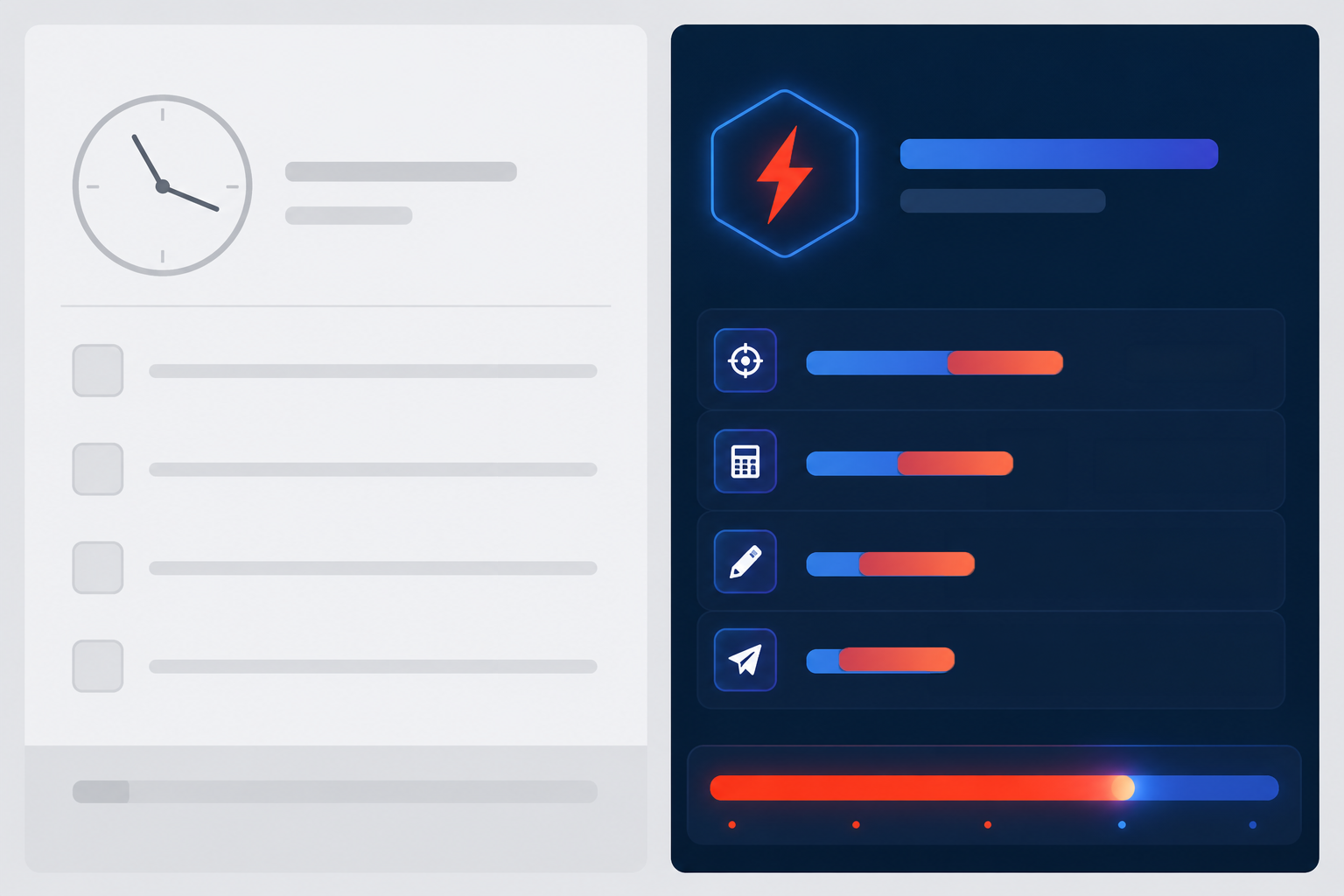
Start a project — Pull in your client info, project address, and system type.
Search naturally — Describe the equipment you need; D-Tools integrated Product Library with 2 million+ devices returns matches instantly, complete with specs and typical accessories.
Generate your scope — With one prompt, AI drafts a client-ready scope-of-work section from your product and labor selections.
Apply financial logic — Adjust margins across quote sections, flag low-gross profit items, and restructure line items with natural-language commands.
Send a polished proposal — Client-facing output is clean, branded, and consistent.
The result is faster quoting, fewer manual errors and more bandwidth for the strategic work such as relationship-building, site design and post-sale service that actually drives revenue and differentiates your firm.
The Competitive Window Is Now
AI-assisted proposal tools are not a future capability; they are available today, and the integrators adopting them are compressing sales cycles that used to run two weeks into two days. According to the D-Tools 2025 Year in Review Report, a proposal turned around in less than 48 hours will have an 88% chance of successfully closing.
That speed advantage compounds: faster proposals mean more proposals, more proposals mean more won business, and more won business funds the next hire, the next truck and possibly even the next geographic territory expansion.
The question for integration firms is not whether AI will reshape the proposal process. It already is. The question is whether your firm is on the leading edge of that shift or scrambling to catch up.
